I make my own stain lifter for laundry stains and have for a few years now. It works great! As most of you know my boys are really into sports and I have taken out all sorts of stains from them playing. I simply spray it on and rub it in. Let it set then wash,stain gone.
What you'll need:
Tide detergent
vinegar
water
spray bottle ( I use an old stain lifter bottle I had here)
1/2 C tide,2 C vinegar and fill the rest of the way with water. Add lid and shake well.
That's it!
You'll need to shake it from time to time to mix the detergent in. One small bottle of tide last me for a very long time doing this. Wait until you have a coupon and it's on sale to get it,that way your not spending much at all to purchase it.
Also I keep an old toothbrush to scrub the stain lifter into the stain. Works great. You scrub in the direction of the fabric. Just don't do this on delegates or you can damage it.
Tammy
Showing posts with label being frugal. Show all posts
Showing posts with label being frugal. Show all posts
Tuesday, June 15, 2010


Tuesday, April 6, 2010
Lessons Learned

I have been spending a lot of time talking with my children about the importance of living below your means. Not only do we talk with them about it but we also try to live be example. I have so many regrets of how we used our money in the past and we are still cleaning up the mess from living that way. If only we knew then what we know now,but could of,should of and would of won't do us any good now. All we can do is pick up and keep moving forward taking what we have learned and instilling it in our hearts and minds. To make it a part of our lives.
Yesterday while with my youngest son Brandon,I asked him,"What do you think it means to live below your means,what are the steps to insure you are doing so?" His answer was very good! He said " you don't go into debt,no loans and no credit cards. I mean it's stupid to get a car loan and it loses value as soon as you drive it off the lot." He said " it's best to save up and buy things straight out then you own it and are not paying more than it's worth buy getting a loan, the same is right about credit cards they make no sense,when you charge things and they are used up and you are still paying on them. How stupid is that! "
Yes he is a very smart boy. He also mention putting God first forever and always. And saving a portion of your income without fail.
What he didn't mention and it's probably because I haven't talked about it as often or gone into any sort of detail about it. That is taking care of all you have to make it last as long as it can.
1. give to God
2. save a portion of your income
3.no debt unless it's a mortgage
4.use up what you have before buying new
5. buy things used or on sale or clearance always try your hardest to get the best price on all things
6. use cash or debit,tracking every penny that comes in and out of your home
7. take care of what you have and make it last as long as you can saving you even more money
my seven rules of living below your means
*Photo provided by dsleonard on photobucket.com*
Happy Homemaking
Monday, April 5, 2010
Menu Monday

Monday- leftovers,mac & cheese
Tuesday - soup beans,corn bread,sliced oranges
Wednesday - Pepperoni rolls w/ cheese,french fries,cucumber salad
Thursday - chili,cornbread,tossed salad
Friday - beans N franks,mac&cheese,baby carrots
Saturday - Roasted turkey beast,mash potatoes,gravy,corn on the cob
Sunday - Turkey N gravy,biscuits,leftovers
With each meal I warm up leftover as well and set them all out buffet style.
Happy Homemaking
Thursday, April 1, 2010
What we learned while being laid off
When my husband was laid off from his job last April,when I first found out this was going to happen. I had a panic session,I went out onto our deck and prayed and cried out to God,asking him to not let this happen to us. I was so afraid of what would happen to our family. But within a couple of weeks he was laid off.
The first thing we did was get our budget out and start cutting back. We cut cable,phone,heating bill and electricity. The bills took a little time but cutting the cable bill and phone took a phone call. We got our expenses down as low as we could.
We had only one problem. We were still in debt! We had a car payment (stupid debt) and credit cards (very stupid debt). That's where my panic came in.
We signed up for help that we needed only. We worked and pushed through the rest. We had a rough time and had some help from our church to get us through.But we made it.
We stayed faithful to the Lord. I knew he had a plan for us and I kept telling anyone and everyone I could that it was all going to work out because we are in God's hands and he was going to take care of us. And oh how he did.
We managed to keep our utilities low and I am still going to do this even though he is working now. We paid off 2 of our credit cards and made big payments to the other 2 and on our car loan. We are now ahead on the car loan and taking big chunks out of our remaining 2 credit cards.
You know God's not going to take you through something like this without teaching you a valuable lesson. Maybe it's something you knew already but was just to stubborn to acknowledge it or do what needed to be done to put it to work.
We learned it is vitally important to live below your means. It's not demeaning to live this way,in fact it's refreshing. Give your tithes to the Lord and remain faithful to him. And it's so important to save,you must save a portion of your income no matter what. Also up there as equally important is to get out and stay out of debt. We are working our way out of debt and are going to try to not accummulate any more stupid debt. The only debt we will aquire is a house. But that is more of an investment rather than just debt. We can do things to increase it's value making it an investment. With credit card debt and auto loans all that is done is paying and paying and paying some more,nothing you can do with this debt can make it into an investment. Its just wise to stear away from that kind of debt all together if at all possible.
We have a new understanding for money and debt and know how God intended for us to live. Instead of how we ended up living. It's freeing to give up what you really don't need,to imbrace the freedom of saving,paying of debt (dreaming of the day when it's all paid off) investing in your future and living below your means. I am loving our new life,I no longer feel the pressure of needing to get the best of things,I look at what I have now and think,this will do until we can SAVE up the money to get something else. We are now looking at buying used over buyng new. Good quality used furniture and things like that can last a very long time and cost much less than buying new. Our vehicles we are aiming to save for future cars not going out and getting into debt for one.
We are wiser and more equipt that before and we have the Lord to thank for teaching us the lessons that we would have never learned had my husband not been laid off. Sometimes we just don't understand the Lords plan for our lives but once he lays it out for you and your start taking the faith walk toward him he will bless your life like you would never be able to imagine. Give to God and he will give to you!
Happy Homemaking
The first thing we did was get our budget out and start cutting back. We cut cable,phone,heating bill and electricity. The bills took a little time but cutting the cable bill and phone took a phone call. We got our expenses down as low as we could.
We had only one problem. We were still in debt! We had a car payment (stupid debt) and credit cards (very stupid debt). That's where my panic came in.
We signed up for help that we needed only. We worked and pushed through the rest. We had a rough time and had some help from our church to get us through.But we made it.
We stayed faithful to the Lord. I knew he had a plan for us and I kept telling anyone and everyone I could that it was all going to work out because we are in God's hands and he was going to take care of us. And oh how he did.
We managed to keep our utilities low and I am still going to do this even though he is working now. We paid off 2 of our credit cards and made big payments to the other 2 and on our car loan. We are now ahead on the car loan and taking big chunks out of our remaining 2 credit cards.
You know God's not going to take you through something like this without teaching you a valuable lesson. Maybe it's something you knew already but was just to stubborn to acknowledge it or do what needed to be done to put it to work.
We learned it is vitally important to live below your means. It's not demeaning to live this way,in fact it's refreshing. Give your tithes to the Lord and remain faithful to him. And it's so important to save,you must save a portion of your income no matter what. Also up there as equally important is to get out and stay out of debt. We are working our way out of debt and are going to try to not accummulate any more stupid debt. The only debt we will aquire is a house. But that is more of an investment rather than just debt. We can do things to increase it's value making it an investment. With credit card debt and auto loans all that is done is paying and paying and paying some more,nothing you can do with this debt can make it into an investment. Its just wise to stear away from that kind of debt all together if at all possible.
We have a new understanding for money and debt and know how God intended for us to live. Instead of how we ended up living. It's freeing to give up what you really don't need,to imbrace the freedom of saving,paying of debt (dreaming of the day when it's all paid off) investing in your future and living below your means. I am loving our new life,I no longer feel the pressure of needing to get the best of things,I look at what I have now and think,this will do until we can SAVE up the money to get something else. We are now looking at buying used over buyng new. Good quality used furniture and things like that can last a very long time and cost much less than buying new. Our vehicles we are aiming to save for future cars not going out and getting into debt for one.
We are wiser and more equipt that before and we have the Lord to thank for teaching us the lessons that we would have never learned had my husband not been laid off. Sometimes we just don't understand the Lords plan for our lives but once he lays it out for you and your start taking the faith walk toward him he will bless your life like you would never be able to imagine. Give to God and he will give to you!
Happy Homemaking
Friday, December 18, 2009
Four Basic Rules of Frugal Living

I got this off the net once and I can't for the life of me remember where but it's a good list and worth sharing.
There are four basic rules of frugal living:
- Buy things cheap
- Make them last longer
- Use them less
- Turn them into something new
Beginning to live frugally won't exactly be hard, but it will take perserverence and determination.
Try these simple steps to get you started:
Look at Your Expenses .Scrutinize each and every purchase.
Think NEEDS vs WANTS.
Really think if you have to purchase this item.Is there something else you already have that could be substituted? Could the purchase be postponed?Keep track this month of EVERY purchase you make. Make sure you write down those small impulse purchases, such as snacks, drinks, magazines, and so on. They do add up!
CREDIT CARDS:
Quit using them
Except for extreme emergencies
You have to decide what these are for you. Maybe close all but one or two. You can close the account with a balance due.This keeps you from charging more, though you still have to keep paying the debt.
BUDGET:
Make one.
Sit down and figure how much you bring in each month, or year and divide by 12. This is what you have to save/spend each month.
Figure out what expenses you can not eliminate (rent or mortgage, electricity,
phone, food for example) and start eliminating the others.
Do you need cable, movies out every week, meals out every week, so many extracurricular activies for the kids? Start eliminating and cutting out or cutting down on those and use the extra money to pay off the debt. Really look at your grocery budget. This is almost always a place where improvement can be made. Shop the sales.
Make a Plan:
Figure out exactly how much you owe. Start paying the debts with the largest interest rate first, putting all extra money to those first, while making the minimum payments on the others.When the highest interest rate debt is eliminated put that money to the next highest interest rate debt. Most importantly is to keep in touch with your debtors with any payment problems you have. They would rather hear from you than assume you are skipping out on paying them altogether.
PLAN AHEAD.
Shop at thrift stores for next year's needs, stockpile things you always use, find
pantry space for good deals, think ahead for Christmas, etc.
Set a Monthly Goal:
How much money would you like to save this month?
How much do you NEED to save in order to start paying down those bills?
Review your goals with your spouse, and/or family members, to help get their support in reaching that goal.
Discuss with them the types of things that you can alter during the month to help you reach your goals.
Research/Learn:
Visit your local library and read every book, magazine, and newspaper articles you can
find about saving money, or do a search on the Web.
If you feel like you just have to buy something, buy these books -The Tightwad Gazette
books (a 3-book set) by Amy Dacyczyn, and Your Money or Your Life, by Joe Dominguez
and Vicki Robbins.
You can likely find them at the library, but for the long haul, I have found it helpful to
read and re-read them.
It is well worth the money, and you will spend countless hours reading helpful and fun
tips on living a frugal lifestyle.
The Envelope Budgeting SystemThis simple to use system is based on the Premise that all of your income gets allocated to one of three different budget categories.
1. Fixed ExpensesAre those which you have on a regular basis such as tithes, utilities, child care, mortgage, rent, credit, insurance and taxes, etc. These are considered fixed because you generally receive a bill for themand/or they are constant. The portion of your income that is designated to pay these expenses shouldbe put into your checking account each month.This is because you will most likely write checks to make these payments, and these funds will go in and out of your checking account quickly.
2. Savings Is the portion of your income that you should save each month for emergencies, short-term, long-term goals and retirement. These funds should be put directly into the saving and investment accounts that you have selected.
3. Non-fixed expenses Are all of the other things that you spend your money on such as groceries, entertainment, gifts, clothing, etc.
The amount you have available for these expenses is the difference between your net take home pay, fixed expenses and savings. Once you have decided how you want to allot this money, place cash into the various
envelopes.It sounds too good to be true, but it isn't. That's all there is to it-really!
If you have already done these sorts of things, and still don't have enough money to meet
more than the minimum, then you may need to consider more drastic measures, such as
trading down your car, selling something, moving to a less expensive neighborhood, orother.
General Frugal Tips
1) Instead of paying high prices for products that are easy to make, use these recipes to make them yourself: Make Your Own Products
2) Buy at thrift stores. A lot of nice clothes and kids toys can be found at those kinds of stores for a lot less than they would be at department stores. Keep your eye out for sales at your favorite stores too.
3) Buy gifts when you can get them cheap, not just when you need them. They might take up more room in your house, but it's better to get them on sale now, then to pay full price later!
4) Cancel all of your newspaper subscriptions and/or Cable TV.
You can get the news online and just buy the Sunday fliers for the money saving coupons
each week.
5) During the winter, wear sweaters and put sand snakes or small blankets near the doors to keep the cold drafts out. This will stop your heater from constantly being on, which can add up to a lot of money each month. Make sure you have plenty of warm blankets in your house and use them instead of cranking up your heater when you get cold.
6) During the summer, keep a pitcher of cold water in the fridge.You're family will be more likely to drink the cold water than the expensive juices, sodas, ice teas, and so on. Also make your own cool summer treats: posicles, smoothies, and slushies galore! :-)
7) If you use a dishwasher, make sure you fill it up all the way before you run it.
Don't bother wasting extra money for the dry-cycle....just leave the
door open when the dishwasher is done washing.
8) If you have extra Cola that is flat and needs to be thrown out, do not
pour it down the sink!Pour it down the toilet seat instead.
Swish it around with a toilet brush and watch how clean your toilet gets!
9) Recycle your jelly jars, baby food jars and any type of jar you find.
Turn them into mini-planters for growing herbs.
Many herbs are easy to grow yourself, and it will save you a lot of money from buying those pre-packaged herbs.
10) You can get furniture and other large household items you need much
cheaper by getting them at garage sales.
Any time a neighbor or someone in your town is having a garage sale, browse around and
look for other valuables too.
You might find something old, but still nice, and be able to sell it for much more.
11) Use a battery operated radio, a wind-up clock, and a manual can opener,
instead of paying for the electricity to use those items.
They are also good to have around the house just in case you lose electricity.
12) You really don't need a dryer.
Even if you live in the city, you can hang your clothes on a clothes line outside during the
summer, or even inside your house during the winter!
Not using the dryer at all, or not as frequently, can save quite a few dollars each month
on your electricity bill.
13) Get a bill consolidation loan at your bank.
It will likely save you a lot in interest, and reduce the bills to deal with.
14)Chop up your credit cards.
Maybe keep one, but keep it at your parents' house, or some other unhandy but safe spot.
15) Take your lunch to work/school, and break any latte/coffee shop/vending machine habits.
Think thermos.
Think sitting in the park.
16) Avoid fast food.
Cut down or cut out junk food.
Make your own substitutions if you must. Cookies, cakes, brownies, popcorn.
17) Go through a few recent grocery receipts and use a hi-liter to mark all the non-essential
(read "junk food" and "impulse buy") purchases you've made.
This was a mind-boggling revelation to me!
Those things I felt I just *had* to have when I was standing in the grocery store
just look like money poured down the drain in retrospect.
Terrible nutrition and poor value.
We still slip now and again, but I am more conscious about those sorts of purchases.
18) OAMC - this has saved me tremendous money on my food bills.
19) Grow your own garden.
Even if it's only a salad garden in containers, you can save quite a bit and have healthier
foods too.
20) Popcorn - Cheaper than chips and healthier too.
A great cheap snack.
Carmel corn is super too.
21) Cook with powdered milk:
It's SO easy to mix up a cup of milk when you need it, no one can tell you've used it when
you just cook with it, and it saves.
Not only is it cheaper than fresh milk, but it saves me trips to the stores (where I always
seem to buy more than just milk).
22) Make more things from scratch. I save a lot by making my own homemade
versions of many things - hot cocoa mix, fudgsicles, pancake syrup, choc syrup, salsa,
dried onion soup mix, etc. Many more things.
Happy Homemaking
![Reblog this post [with Zemanta]](https://lh3.googleusercontent.com/blogger_img_proxy/AEn0k_sz4e3y1qc6zdLZfv3fkSpF-hhuebuIvm57dDDeHMjnVkAQ7NvFp46iQrHyLTfPGkK69Qny40L_YZBX7k742XIEJIV4b0v_ZOKl8aG5Uhiq5DPr2JEfutms1FmEKFASubuYNH7NDuMOHEgcD3sryZWx=s0-d)
Tuesday, December 15, 2009
Learning as I go and being Thankful

As you can see I still am not happy with our currant living conditions but I'm learning. I am learning to be Thankful for what I have. To see my home as a blessings and not see all the things that need to be done to it to make it more of what I want. To be content with where I am and not want more. Yes I still would love to have a bigger home but it's not a must have. If Lord willing the oppertunity presents itself for us to get a bigger home of course we will. But if that never happens I am learning to be content with what I have and that is a small home that is a fixer upper and that's fine by me. The up side to this home is we have an acre of land,we are in the country,we have nice neighbors that we have known for years,we have a lot of wild life all around us,the house is paid off (that's a big one),it's quiet and calming here. Just about everyone that visits us loves it here. They say it's relaxing and they feel so calm and warm here. That is inpart because of our hospitality but also our home and it's settings.
No it's not what I have always wanted but it's a blessing nontheless. So strange how God works sometimes,we were looking for a bigger home in the country and John got laid off in March. First panic set in but soon I took it as a challenge. It has not been easy by any means, we have had to cut back and trim our spending plan. Our boys have not been able to do things they did before John was laid off. I have been so very tempted to go to work to help but I am unable to. I am still under doctors care and am now disabled and unable to work. So I strapped on my fighting gloves and dug in. Making and doing all that I know to do to cut our utility bills and stretch our food and household items. The one thing we have learned from all this,well there have been many things we have learned,we wished we had all our debt paid off before this happened. Now we are still paying off debt while living off of 60% less income each month. It hurts but we are managing.
We are determined to get out of debt and stay out of debt. We don't even want to get another car loan,they are just not worth it. Instead we are going to keep an account open to save up for our cars and when we get enough in the account saved then we will start our search for a good quality used car. We still have hope to one day have a bigger home but until then we are content where we are.
There are so many lessons in life and we never stop learning them. The key is learning from your mistakes and changing the behavior that caused the mistake in the first place. For example we have struggled in our budget since he was laid off. A few times we have even over drawn due to not watching closely. I don't have to tell you how much that hurts,paying the nsf fees,ouch,that would hurt any budget but when your laid off and living off of only a fraction of what you are use to living off of. Yep that is a doozy,but learning for our mistakes,we know to be more careful in our spending and more watchful over our money.
Sometimes life is hard and things happen that we just don't understand. I was bitter at first when I seen or heard of guys that worked in the same factory John did and that are still working there. Getting overtime because their work load is heavy but yet the company is not calling back their laid off workers yet. I would get so angry over this ,but even though I still don't like it,God has helped me ease that anger. He has a plan for us and well maybe that factory is not in his plans. We are learning patience and waiting on the Lord. For all things!
Happy Homemaking
![Reblog this post [with Zemanta]](https://lh3.googleusercontent.com/blogger_img_proxy/AEn0k_tZBMNE1Kz1ls-HNTmipwmwbp2XYZz99z-vtNEzth3RvOazPVcio0cYqS06-swXCZcSFutnAEv_x_zBxU2zF4tWrGCiyjZovr_etvqSKvh0-Vjup8cGTTxCF8hTrGYsFwkIjhCFoXAmKrMFg7hsnQY=s0-d)
Monday, December 14, 2009
Menu Planning Monday

Monday - Chicken wings,scallop potatoes,sliced peaches,corn
Tuesday - hot dogs,french fries,(veggie or fruit,not sure what)
Wednesday - Wrestling Meet- smoke sausage,mac & cheese,apple sauce
Thursday - Roast Chicken,mash potatoes,gravy,slice peaches,peas
Friday - homemade chicken strips,noodles,green beans - Wrestling Meet
Saturday - Wrestling Meet - out of town
Sunday - chicken n gravy,leftover potatoes,corn
Happy Homemaking
Friday, December 4, 2009
Frugal Fridays:Living Frugally

I wrote this article a year or so ago when things in the economy first started to go South. It's interesting to read again and touch base.
This term is frequently used all over these days. It's hip to be frugal now! There's mounds of information all over the world wide web. Some practical and some radical. I think it's hard to look at one person's or families living ways and pick at your own. Each family or person is very different. From where they live,their income,their debt,the size of the family,their lifestyle. I could go on but you get the picture. What works for one not always is going to work for another. What one family or person believes is living frugal and may be to them but is far from that to another.
I believe and I'm not alone when I say that the ecomony is crazy right now. And rather scarey. We are a family of 5 and it's a struggle each week at the grocery store. And I hear daily that's it's only going to get worse. You know the saying it's always darkest before dawn. It's going to get worse before it gets better. But in the meantime we have to live.
One thing that I have lacked on a lot is watching the portions of meats and things that I fix. I have 3 males in my home and thought nothing at making a large batch of chicken and most of it was ate. Well in making an effort to save money when and where I can. I divided up the meat I have in portions appropriate for my family size,usually 3 to 4 oz servings for things like chicken or beef. I'm going to stretch our food as much as I can.
I also purchased a book packed full of recipes for homemade cleaner and things. I'm a big spender on cleaners and love the smell of them. But when my last trip to stock up cost me close to 40.00 dollars the thrill was gone.
Also on my list are goodies and bread. Prices on all of these have shot through the roof and they are not done yet. I'm going to make as much of these as I can from scratch. Cooking from scratch is truly going to be a challenge for me as my schedule is so busy but I do believe it's important not only for our bank account but for our health. And as an added bonus my children will learn more about cooking,actual cooking and not prepackaged meals or fast food but good home cooked food.
What are you doing to save or live below your means?
If you have any TNT recipes you would like to share please feel free!!! We are always looking for new recipes to add to our collection.
Happy Homemaking
![Reblog this post [with Zemanta]](https://lh3.googleusercontent.com/blogger_img_proxy/AEn0k_tSQdJxRB9X6iXMqg0jefq9lLT9fa_v3VUqTcMmAE3rMzWry7F2MFzNRcEVVcIxEhBnzFH8AvyYWB5wd52guSn-La-HhSMjcP9gENwGb1yzbLMa5nhujsRcvcdSehcoCZ-Oa_Ef9kkGvGCHnQQA0X7U=s0-d)
Friday, November 27, 2009
Line Drying My Clothes
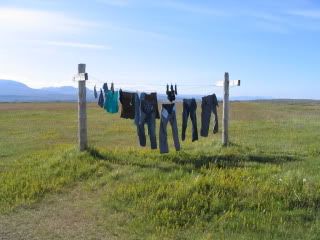
Line Drying My Clothes
I love hanging our laundry out to dry. I have been doing this for years, beginning the first year of our marriage 17 years ago. My grandmother and my mother did it so it was no big deal for me to begin doing and I never gave a second thought about it.
Now it's my turn to teach my daughter the art of hanging the laundry to dry. How it connects you with nature and God and teaches you patience. All these in such a simple act of hanging your laundry to dry.
Happy Homemaking
![Reblog this post [with Zemanta]](https://lh3.googleusercontent.com/blogger_img_proxy/AEn0k_vs2ijVQImJANAaXyzH2BP2_Ja_tLR1CHnRU96Y5O7ppQ_RAadzuUnuiYaMqdGyoYZEs3cNzbxWfoR9-U1yxW-9AiUWBTemvpXk_3mZzv0oKS5lJ-iLR5028QMNIFhWVhSf3cvxu56Cnb45sAqMa1Dw=s0-d)
Wednesday, November 18, 2009
Waste Less Wednesday:Put Your Garbage To Work
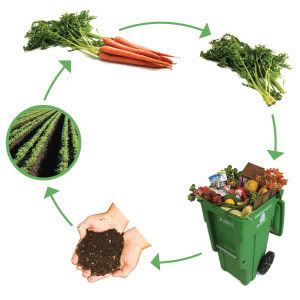
photo by:veganfeminazi
Put Your Garbage to Work in Your Garden
(ARA) - The makings for nature’s best, most complete fertilizer may be wilting in your refrigerator’s vegetable bin. Kitchen waste, along with grass clippings, leaves and other garden waste can all be used to create compost.
Compost actually improves soil structure; it loosens clay soils and helps sandy soils retain water. For those committed to organic growing methods, it is a good replacement for commercial fertilizers. And it’s cheap.
“Making your own compost isn’t hard, and it keeps lots of garbage out of landfills,” says Lars Hundley, owner of Dallas-based CleanAirGardening.com, an online company that specializes in environmentally friendly lawn and garden supplies. “Between 25 and 50 percent of the space in landfills is taken up with organic waste from yards and kitchens, which could easily be converted to compost,” says Hundley. According to the Environmental Protection Agency, nearly 35 million tons of yard trimmings were generated in 1990; the same year, the United States generated over 16 million tons of food scraps.
Getting Started
Composting can be as much or as little work as you want, based on the results you’re looking for. At the most basic level, you can compost by simply burying kitchen scraps in your garden. If you choose to tend a compost pile, you can take a passive approach (letting materials sit in a pile and break down on their own), or you can be more hands-on. This can range from simply turning the compost pile occasionally to shredding all materials that go into the compost, monitoring the temperature, and maintaining proper moisture levels.
To start composting, first decide on the type of bin you’ll use, if any. Many people build their own, but there is an increasing variety of bins available through nurseries and garden supply outlets. Bins are useful for keeping the pile neat, retaining heat and moisture, and avoiding negative effects of wind and weather. They also help deter pests from food scraps, and neighbors often appreciate not having to look at an ugly, uncovered pile.
Your materials will compost more quickly if you maintain the proper mix of “browns,” and “greens.” Browns include dry and dead plant materials like straw, dry brown weeds, autumn leaves, wood chips or sawdust. Greens are fresh plant materials like weeds, kitchen scraps, green leaves, coffee grounds and tea bags. The ideal ratio is about 25 parts browns to one part greens, but if you’re not too concerned about how quickly your pile will break down, you don’t need to obsess about the ratio.
When composting kitchen waste, use only fruits, vegetables and grains. Don’t compost meat, dairy, or any fats, oils or grease, which don’t break down and also attract pests. When adding yard waste, you may want to stay away from weeds that have gone to seed, or those with big root systems; you’ll want to chop or shred large branches and other woody material that will otherwise take too long to break down.
The process of generating finished compost can take from six weeks to two years. This depends on many factors, including the amount of effort put into it, your climate and the materials in your pile. The pile might need to be watered occasionally, and you should turn your compost to aerate it. You can use a pitchfork or a specially designed compost aeration tool.
Another easy solution is to use a rotating compost bin. By giving the bin a spin to aerate and mix the pile, you can significantly speed up the composting process. CleanAirGardening offers three different rotating models that can generate finished compost in as little as 21 days and cost from $149 to $199, including shipping.
Using Your Compost
Finished compost can be used as a soil amendment, mulch, side dressing and even a compost tea. It is good for lawns, vegetable gardens, trees, shrubs, annuals, perennials and even potted plants and house plants.
To amend poor soil, spread two to three inches of compost over the surface and work into the top six inches of dirt. A one-inch layer of compost spread on top of the ground is good for garden and flower beds. Spread a one-quarter to one-half inch thick layer on your lawn annually to maintain soil quality.
Compost tea, made by steeping compost in water, is the best way to use your compost on house plants.
For more information on how to make and use compost, visit your local nursery or check out http://www.compostguide.com/.
Courtesy of ARA Content
Happy Homemaking
Monday, November 16, 2009
Menu Planning Monday

Monday - Chicken Casserole (using leftover chicken from the chicken I made over the weekend)
Tuesday - Homemade pizza,salad
Wednesday - cheeseburgers,bake beans,french fries,peaches
Thursday - Chili,cornbread
Friday - BBQ chicken,mac & cheese,apple sauce
Saturday - Smoke sausage, mac & cheese (yes again),green beans
Sunday - Chicken Fries,noodles,peaches
Happy Homemaking
Friday, November 13, 2009
Frugal Fridays

I love getting facials but I don't like the price of getting them. So to avoid that high cost you can do them at home. Give yourself a facial or do it with your daughter or a friend,it's a great way to relieve stress and anxiety and will leave your skin feeling and looking great. Your husband will love it.
Here are a few links that show how to do a facial at home step by step.
Give yourself a facial at home
How to give a steam facial at home (video)
At home facial
Happy Homemaking
Wednesday, November 11, 2009
Waste Less Wednesday:Just add water
When I buy shampoo,conditioner,liquid soaps,ect. I save my old container (only one) and when I buy the new,I get it home and poor half of it into the old container and put some water into both,shake it up and I now have 2 for the price of one. Add enough water but not to so much that it's watery.
Happy Homemaking
Happy Homemaking
Friday, November 6, 2009
Frugal Fridays:10,10,80

Do you know what that formula is? I know that most of you do. It's the formula from debt proof living. And what sense it makes. 10% goes to God. 10% goes to savings and you live off of 80% of you take home pay.
If you can't live off of 80% of your take home pay then you need to sit down with your husband and go over your spending plan or budget. Cut where you can cut. The grocery bill is one way to cut costs. Can you cut your grocery budget by 10,15,or 20 dollars. If so that's less you are paying out and closer to living from 80% of your take home. What are you spending on eating out? We all know how that can be a killer to a budget. I'm not saying stop eating out all together everyone enjoys going out. Maybe cut it back to once or twice a month and if you can use coupons when you go out that is even more savings. What we like to do is go early, we sometimes eat dinner around 4 if going out because many restaurants have early bird specials or 2 for so much and it's much cheaper than if you come in after that designated time. Drink water instead of a soft drink,that will cut your bill down as well and water is much healthier than soda anyway. There are many ways to cut your food budget. You have to be a bit creative and serious about cutting the costs or you will never do it.
Look at your utilities. Are they as low as you can get them? Unplug when your not using an appliance and save up to 20% on your electric bill. I don't know about you but 20% sounds good to me. Close the blinds on hot days to help keep your house cool. Open them on sunny cold days to help warm it. Use ceiling fans when you can. Change or clean the filter in your furnace. Get the heating/cooling system checked regularly to make sure it's running as it should. Those little thing can cost you alot down the road.
Use up before opening new. That goes with everything you can think of. Soaps,toilet paper,paper towels,cereals,bread I could go on but you get the picture. I get so irritated when my kids open up 3 or 4 boxes of cereal. We have a rule at our house now,use up the open boxes before opening a new one. Try not to let anything go to waste.
You work hard for your money so why not be as efficient as you can to ensure you are spending and using it wisely.
Once you have your spending to 80% WTG! It will take some getting use to,cutting back like that but once you do and you see your savings growing and your giving like you are suppose to be. You will feel a sense of accomplishment,you did it. Be determined and go for it.
During these hard times we all have to be smart with our money. God doesn't want us to be wasteful and he really doesn't want us in debt. Do what you can to get out of debt as soon as you can and don't accumulate any new debt. You will feel a huge sense of relief when you pay off your credit cards,medical bills,car loan and finally your mortgage. Like someone just lifted a huge boulder off your shoulders. Keep plugging those holes and soon you will have an air tight spending plan that include giving and saving.
I believe firmly in what I have typed above. If I didn't I would not have posted here for you. There is nothing that feels more secure than no debt,having money in the bank and living below your means. I encourage you to do this. I pray you will do what is best for your family. Talk with your husband and come up with a plan for your family together. Then put it to work.
Wednesday, November 4, 2009
Waste Less Wednesday
Did you know that if you simply unplug what you are not using you can save up to 20% on your electric bill? I keep my washer,unused appliances like the microwave,toaster oven,coffee pot,ect,tv's,lamps,fans all unplugged to save us some green.
Happy Homemaking
Happy Homemaking
Friday, October 30, 2009
Being Frugal without Being Cheap

Being Frugal without Being Cheap
by Nancy Twigg
Have you ever noticed how frugality is often confused with being cheap? Isn’t it a shame that those who choose to live frugally are sometimes accused of being selfish and stingy?
Although these accusations may be justifiable in rare cases, I’ve found that with most frugal people, quite the opposite is true. The thrifty people I know are very generous; they just choose to give in ways that are different than their spendthrift counterparts. Let's look at some of the differences between being frugal and being cheap.
Being frugal means making smart spending choices.
Let’s say that for your friend’s birthday, you give her a book. You paid only 50 cents for the book at a yard sale, but it was in like-new condition and it is by an author your friend loves. Some would say that it is cheap to only spend 50 cents for a gift, but if it’s something you know the recipient will love, why does it matter how much you spend? Why spend more on a gift if you could get something the person would enjoy just as much for a lot less? This kind of gift giving is not being cheap; it’s just good money management.
Frugality is getting the most for your money.
Suppose you don’t have Internet access or email. Rather than making long distance phone calls to your friends and relatives to stay in touch, you save money by writing letters instead. By doing so, you get more for your money. For the cost of a 37¢ stamp, you could practically write your life history, include pictures, and even send small goodies like a bookmark or comics you’ve clipped from the newspaper. But how many minutes could you talk for 37¢ of long distance charges? Not too many. Besides, a letter is something the recipient can read over and over and enjoy many times. Thus, you get much more value and enjoyment by writing the letter.
Frugality is making your dollars go farther.
Suppose that to save money on your utility bill, you keep your thermostat at 68 degrees during the day in the winter. Your kids complain that it is a little chilly in the house, but you tell them to put on sweaters. Some might feel that this money-saving technique is an example of being cheap. However, making your dollars stretch this way is smart for the whole family. If you spend less on utilities, you’ll have more to spend on other things such as fun outings with your kids.
Frugality is showing you care without spending a lot of money.
Let's say it is Mother’s Day. Instead of buying a gift and greeting card, you use your time and creative talents to make something special for your mom. The gift doesn’t actually cost you much except your time and a few supplies you already had on hand. Some people might think this is being cheap because you didn’t buy your mother anything. However, the frugal person knows that giving of her time and talent is much more valuable than spending a lot of money without giving it much thought.
BYLINE: Nancy Twigg is the editor of Counting the Cost, an ezine about simple and frugal Christian living. She is also the author of two books on the same topic. For more information about how to be frugal without being cheap, visit Nancy online at www.countingthecost.com
Happy Homemaking
Subscribe to:
Posts (Atom)